What Can (and Can’t) Go in Your Dumpster: A Complete List
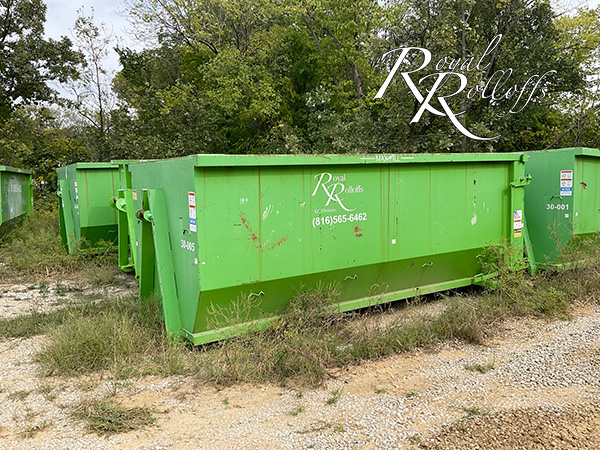
As you prepare for your next cleanout or remodel around Independence, MO, understanding what can and cannot go into your dumpster rental is critical. It often surprises people to learn that some debris is not permitted. Knowing the rules helps avoid delays, extra expenses, and health and safety risks during your project. At Royal Rolloffs, we provide clear guidance by explaining approved and restricted materials. This information allows you to maximize your rental and avoid problems.
Proper waste disposal is about more than just convenience. It keeps your project within legal requirements, protects everyone on the jobsite, and reduces pollution. Knowing what is allowed and what is restricted, you can make the rental period as efficient as possible. Here we explain what you can dispose of, shows what to avoid, and offers advice for better organizing your waste.
Residential Junk and Everyday Trash
Most household junk and general debris can be safely placed in a dumpster rental. Items like old furniture, clothing, toys, cardboard, paper, and non-hazardous trash are all acceptable. These are the materials most frequently found in residential dumpsters. If you are organizing a whole-home purge, these are typically the first items to go into the container. Organizing waste allows you to fit more and load safely.
Remodeling debris like drywall, flooring, lumber, and shingles is accepted. These materials are common during remodeling and renovation projects. To make the most of the space, break down larger items when possible and place heavier materials at the bottom. Doing this stabilizes the contents and makes it easier to add lighter waste above. Continuous sorting keeps the project organized and avoids overflow.
Green Waste and Exterior Cleanups
Your dumpster can handle most yard debris including trimmings and brush. Homeowners use dumpsters for landscaping projects, seasonal cleanups, and storm debris removal. Separating green waste from general junk helps with recycling and disposal rules. We encourage customers to remove large roots or stumps if possible, because they often require additional handling.
Outdoor materials such as fencing, decks, and patio furniture are also acceptable as long as they are free from hazardous coatings. Wood should be free of lead-based paint or creosote, since they may be regulated. You can add masonry debris but spread it throughout to keep weight level. Weight distribution keeps the dumpster within legal hauling limits.
Items That Cannot Be Placed in a Dumpster
Some items are banned for safety and environmental protection. Oil, gasoline, and pesticides are strictly prohibited. Such materials can cause contamination and harm sanitation workers. Customers should contact local waste facilities for guidance on proper disposal methods for these materials.
Fridges and AC units must be drained before disposal. Bulbs and batteries cannot go into general trash due to hazardous materials. Medical waste, biohazard materials, and certain contaminated soils are also prohibited. Learning the prohibited items early avoids project delays.
Remodeling and Demolition Materials
Construction and demolition debris is one of the most common uses for dumpster rentals. Materials such as lumber, siding, roofing, concrete, and metal are generally accepted and can be disposed of together. Keeping debris organized by type simplifies hauling and supports recycling programs. Royal Rolloffs works with customers to ensure their construction debris is handled efficiently and within legal requirements.
Removing walls and fixtures produces debris such as plaster and old windows. Safe materials can be included but asbestos must be excluded. Any asbestos must be identified and handled by qualified personnel. Planning ahead prevents stoppages and protects workers.
Handling Dense Waste Materials
Concrete, soil, and stone can go in a container but must be handled carefully. Weight builds up fast and can cause the container to be unsafe for hauling. Keep track of the volume and weight of dense debris to stay compliant. You may need to split loads to keep weights manageable.
When disposing of soil and stone, load gradually for balance. This prevents damage to the dumpster and reduces the risk of issues during pickup. Contacting our team in advance about the type of heavy materials you plan to dispose of allows us to recommend the best approach. Advance planning keeps the process efficient and avoids weight violations.
Environmentally Responsible Practices
Responsible disposal helps maintain a healthy community and ecosystem. By keeping hazardous items out of the dumpster and recycling where possible, you reduce the amount of waste going to the landfill. Royal Rolloffs helps ensure waste is processed with environmental care. This commitment helps keep Independence, MO, clean and safe for future generations.
Sorting metal, cardboard, and recyclable plastics helps conserve resources. It benefits both the environment and the disposal process. Royal Rolloffs helps get more info clients organize their waste for proper disposal. Doing this means you meet local guidelines while acting responsibly.
Ensuring a Smooth Dumpster Rental Experience
Being aware of accepted and restricted items ensures a stress-free rental. People throughout Independence, MO, count on Royal Rolloffs for expert guidance and quality dumpsters. By sorting materials correctly, keeping prohibited items out, and planning ahead for heavy loads, you can save time and keep your project moving forward. We are here to help make disposal simple, safe, and efficient for every type of job. Whatever the job, we provide the right dumpster solution for your project.